
TDHC, TDHCR, and CWB Planning for Heated Towel Rack Installations
The controller choice affects more than the wall control. It affects rough-in planning, wall-box locations, wiring paths, and how cleanly the finished installation comes together.
The key distinction is simple: a single rack installation is usually more direct, while remote-controller and multi-bar layouts need earlier coordination between the rack, controller, concealed wall box, and electrical plan.
TDHC
Best for a straightforward single-rack hardwired installation where the controller is installed at the rack location.
TDHCR
Used when the controller needs to be mounted remotely, such as near other wall switches.
CWB
Used as the concealed connection point at the rack or bar location when the controller is remote.
Always confirm the final wiring plan with a licensed electrician and follow local code. Local code and site conditions override general planning examples.
Which Setup Fits The Project?
Single Rack With TDHC
Best when the controller can live at the rack location. The TDHC includes its own wall box and is typically planned at the rack connection point rather than at standard light-switch height.
Single Rack With TDHCR And CWB
Best when the controller should be placed somewhere else in the room. The TDHCR is installed at the control location, while the CWB is planned at the rack connection point.
Multiple Racks With TDHCR
Best when several racks need centralized control. Each rack location needs its own concealed connection point, and the total load must stay within the controller and circuit limits.
Modello i Bar Layouts
Modello i bars need especially careful planning because each bar location and control location must be coordinated before the wall is closed.
Common Installation Scenarios
These animated examples show the practical difference between a direct controller installation, a remote controller installation, and multi-unit layouts that need concealed wall boxes.
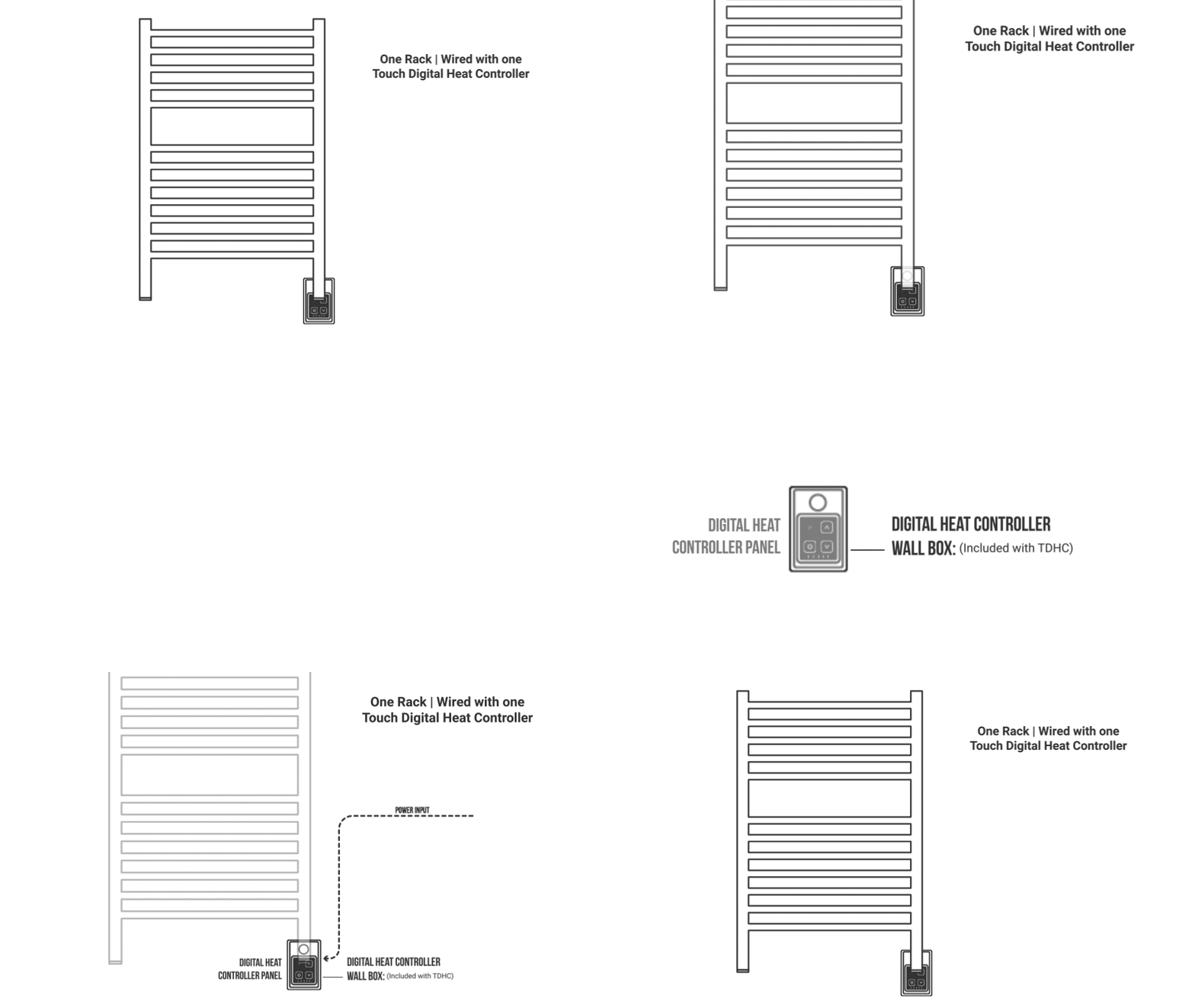
Standard Rack With TDHC
What you need: one heated towel rack and one Touch Digital Heat Controller with its included wall box.
This is the most direct setup. The controller is planned at the rack location so the wiring path stays simple and the installation remains focused around one rack.
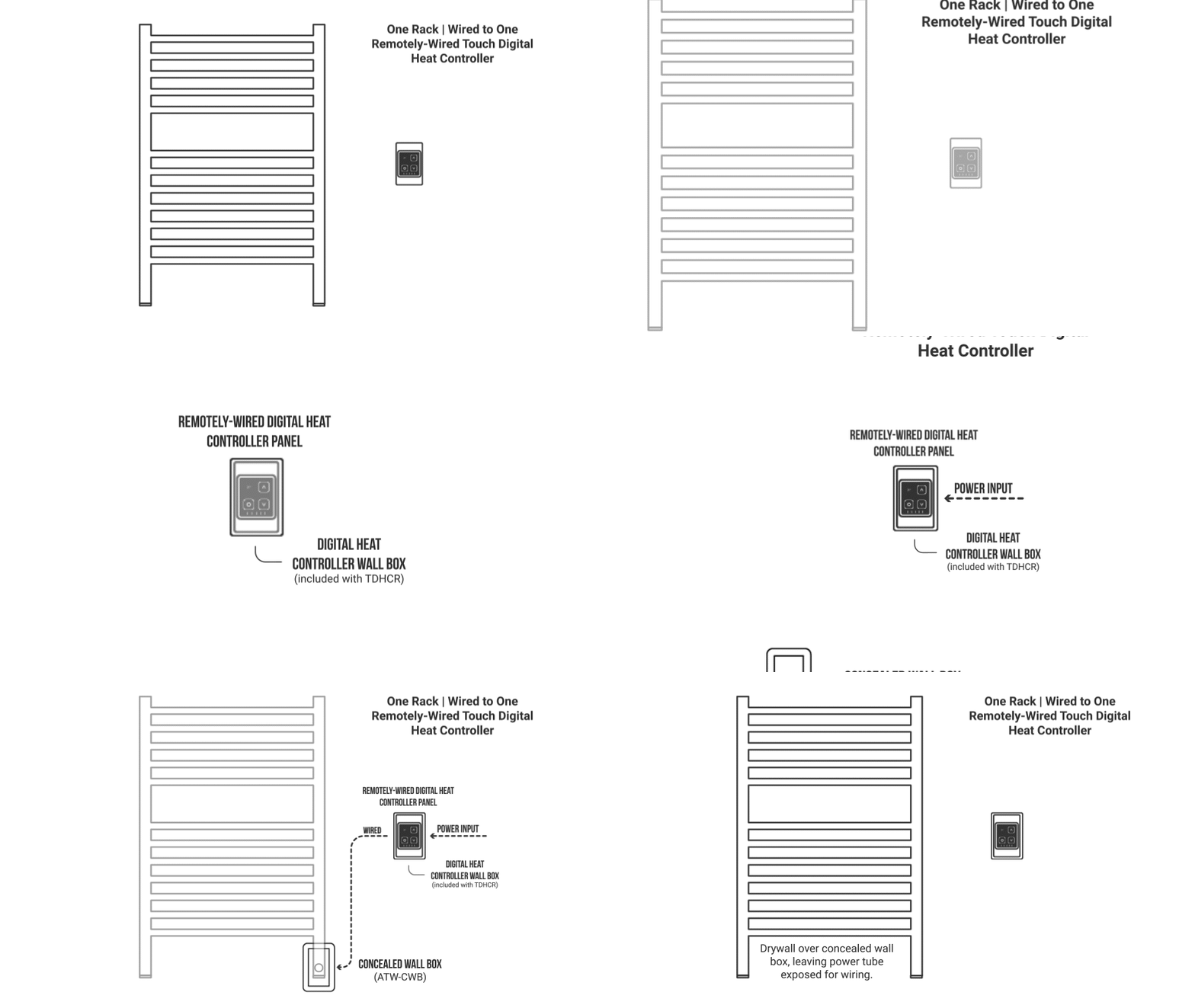
One Rack With TDHCR
What you need: one heated towel rack, one TDHCR controller, and one Concealed Wall Box at the rack location.
Best when the control should be mounted away from the rack, such as with other switches. The CWB handles the concealed connection at the rack.
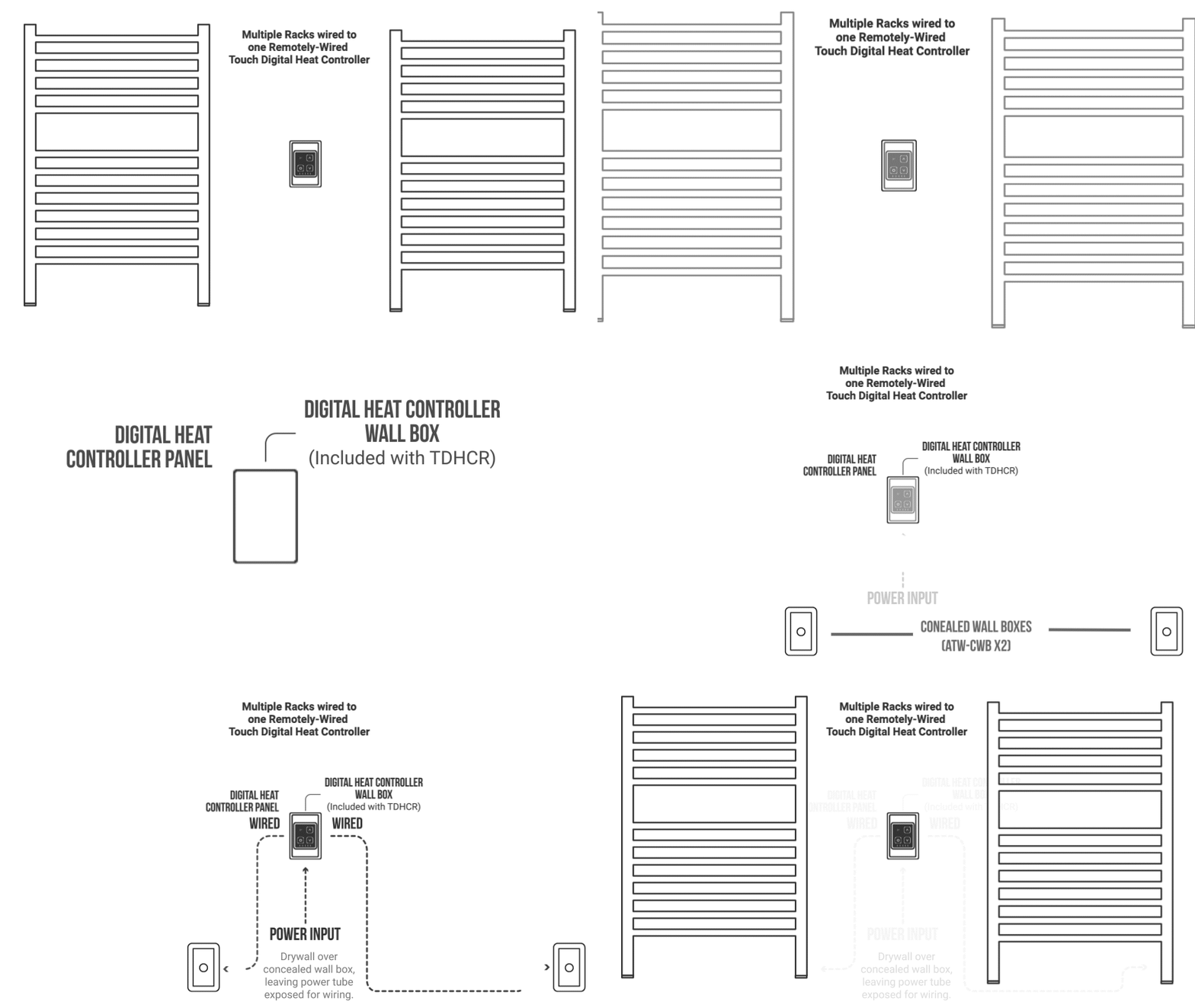
Multiple Racks With TDHCR
What you need: two or more heated towel racks, one TDHCR controller, and one Concealed Wall Box per rack.
This keeps the control point centralized, but every rack still needs its own concealed connection point. The total load must be reviewed before rough-in.
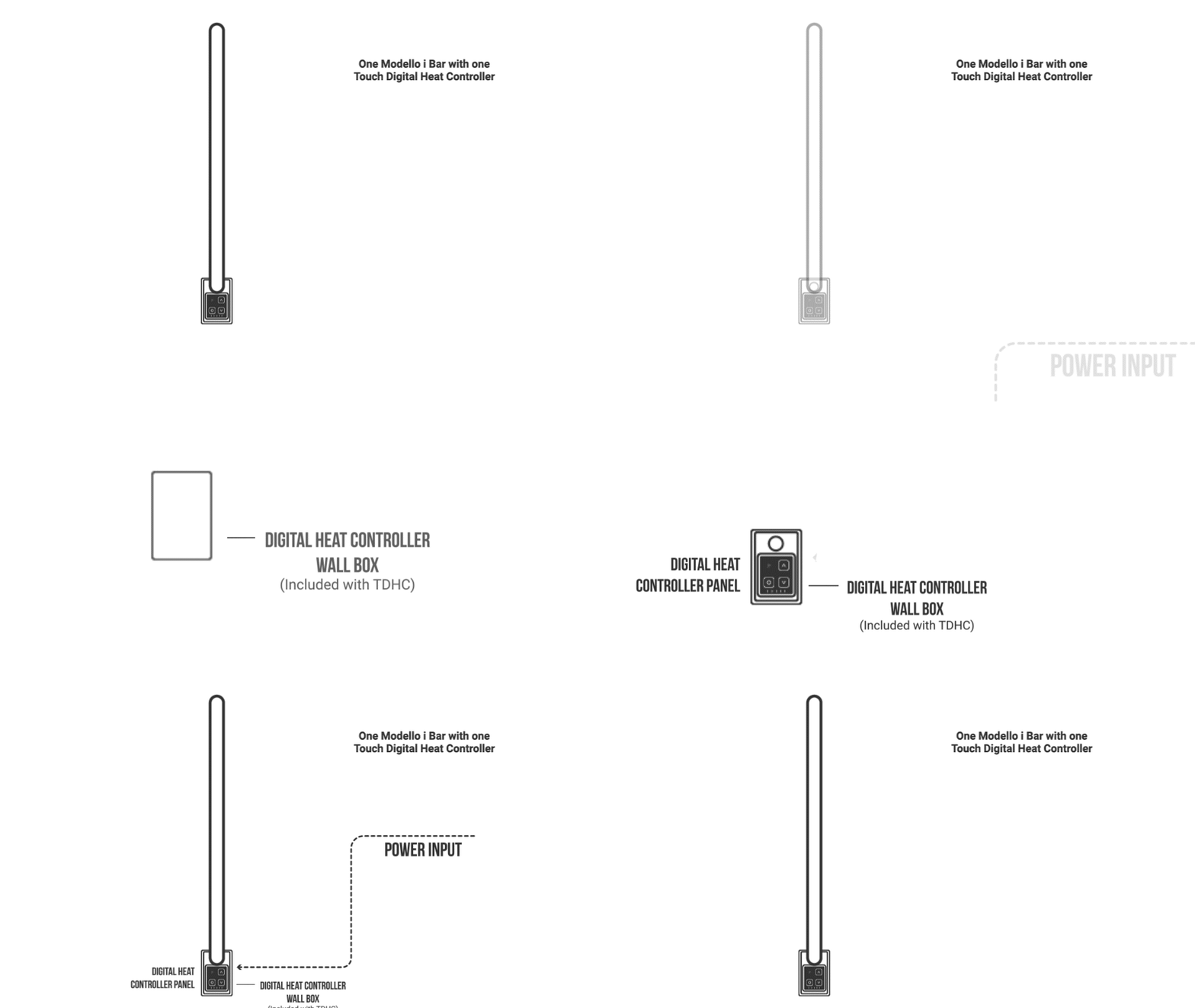
Single Modello i Bar With TDHC
What you need: one Modello i bar and one Touch Digital Heat Controller with its included wall box.
This is the simpler Modello i setup. The controller and bar location need to be coordinated before wall work begins.
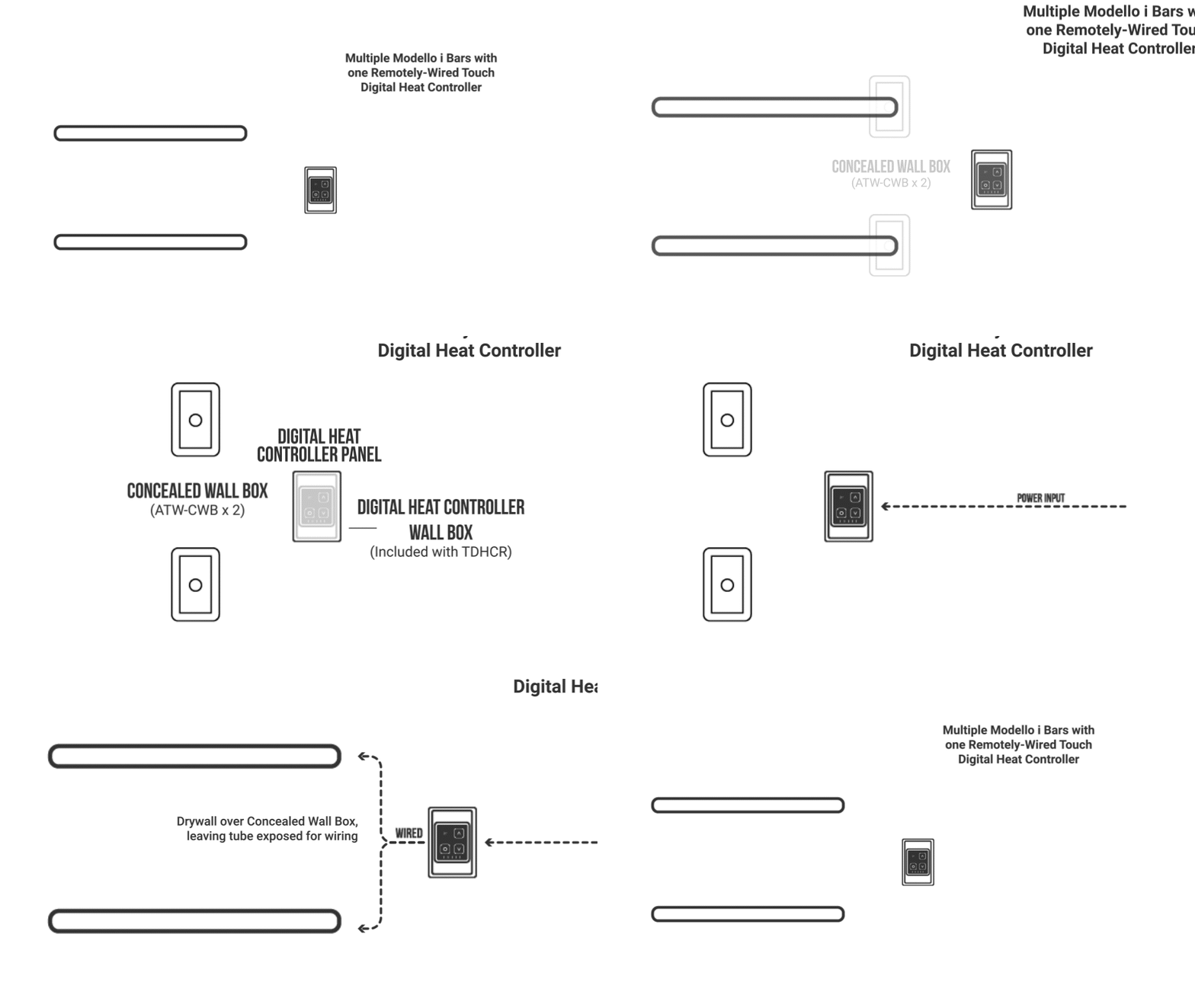
Multiple Modello i Bars With TDHCR
What you need: two or more Modello i bars, one TDHCR controller, and one Concealed Wall Box per bar.
This layout requires the most planning because each bar needs a concealed connection point and the wiring path needs to be coordinated as one system.
What Each Part Does
Touch Digital Heat Controller
The TDHC is the direct wall-mounted controller used when the controller is installed at the rack location.
Remote Touch Digital Heat Controller
The TDHCR allows the control point to be located away from the rack, which can create a cleaner switch layout.
Concealed Wall Box
The CWB provides the concealed connection point at the rack or bar location when the controller is remote.
Decisions To Make Before The Wall Is Closed
Confirm The Rack Location
Review the rack dimensions, mounting height, bar location, and electrical entry point before wiring is planned.
Confirm The Controller Location
Decide whether the controller belongs at the rack or in a separate wall-switch area. That choice determines whether TDHC or TDHCR is the better fit.
Confirm CWB Quantity
Remote installations generally need a concealed connection point at each rack or bar location. Multi-rack and multi-bar projects should be reviewed carefully.
Confirm Electrical Load
Multiple racks or bars must be checked against the controller capacity, circuit capacity, and local electrical requirements.
Details That Are Easy To Miss
The CWB Is Not Decorative Trim
The concealed wall box is part of the electrical connection plan. It is not meant to create a visible decorative cover plate at the finished wall.
The Controller Location Changes The Parts List
If the controller is moved away from the rack, the installation usually needs a remote controller and concealed wall box planning.
Local Code Comes First
Product examples are useful for planning, but final placement, wiring, permits, and inspection requirements must follow local code.